Search Site
Shop By Category
|
Herbs We Use

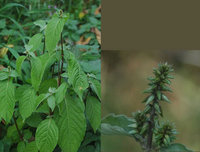
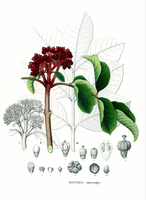
In TCM* the Achyranthes herb is taken internally to treat hypertension, back pains, urine in the blood, menstrual pain, bleeding, etc.*
|

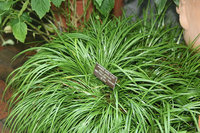
In TCM Acorus root is used internally in the treatment of digestive problems - particularly gastralgia and diarrhea, cough, bronchial asthma, neurasthenia, depression and epilepsy.*
|

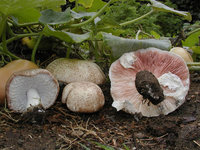
In TCM Agaricus Subrufescens formerly Agaricus Blazei Murill has been used to treat arteriosclerosis, hepatitis, hyperlipidemia, diabetes, dermatitis, and cancer.*
|

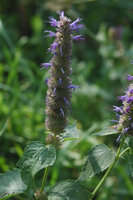
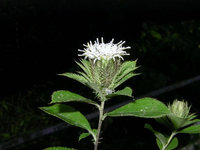
In TCM Agastache Rugosa leaves are used internally to improve the appetite and strengthen the digestive system, relieve symptoms such as abdominal bloating, indigestion, nausea and vomiting.*
|

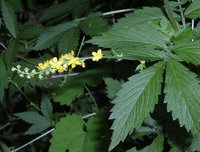
In TCM* Agrimonia Pilosa is used in the treatment of coughs, colds, tuberculosis and diarrhea. The root juice is used in the treatment of peptic ulcer. A paste of the root is used to treat stomach ache.*
|

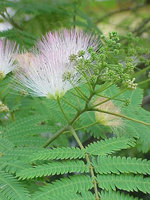
In TCM Albizia Bark is used internally in the treatment of insomnia, irritability, boils and carbuncles.*
|

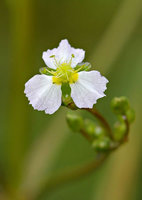
In TCM dried Alisma stem bases are eaten, or grated and taken with water in treating digestive disorders such as heartburn, cramps and stomach flu. The powdered seed is an astringent, used in cases of bleeding.*
|

In TCM Andrographis Paniculata is often used in combination with other herbs to treat infectious diseases and associated fevers. Antioxidant, antiviral, antibacterial, antiinflammatory, antihypertensive, antineoplastic, anti-ulcerogenic, and analgesic.*
|

In TCM Dang Quai is commonly used in the treatment of a wide range of women's complaints where it regulates the menstrual cycle and relieves period pain and also to ensure a healthy pregnancy and easy delivery.*
|

In TCM Artemisia Annua is used for Cancer treatment, Fever, Headaches, Infections, Inflammation, Malaria.* Artemisia Annua has been shown to destroy malarial parasites, lowers fevers and checks bleeding.*
|

Artemisia Capillaris is used internally in the treatment of jaundice, hepatitis, gall bladder complaints and feverish illnesses.*
|

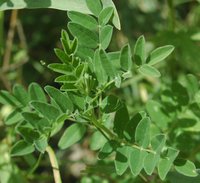
In TCM* Astragalus is used in the treatment of cancer, prolapse of the uterus or anus, abscesses and chronic ulcers, chronic nephritis with edema and proteinuria.*
|

In TCM Bai Zhu is used in the treatment of poor appetite, dyspepsia, abdominal distension, chronic diarrhea, edema and spontaneous sweating. Combined with Baical skullcap (Scutellaria baicalensis) Bai Zhu is used to prevent miscarriage.*
|

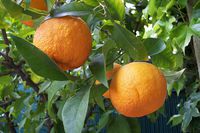
In TCM Aurantium Fruit is used in the treatment of dyspepsia, constipation, abdominal distension, stuffy sensation in the chest, prolapse of the uterus, rectum and stomach.*
|

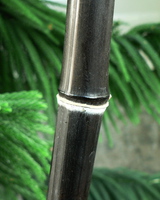
In TCM Black Bamboo juice is taken internally in the treatment of lung infections with cough and phlegm. The sap is pressed from young stems in the summer and then dried for later use.*
|

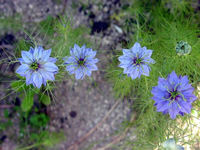
Middle Eastern countries have used Black Cumin Seed Oil for centuries to treat bronchial asthma and bronchitis, emphysema, and congestion (some of its constituents have been shown to harbor antihistamine-like properties).*
|

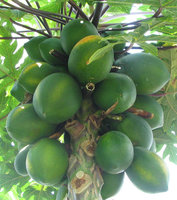
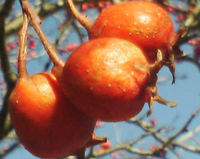
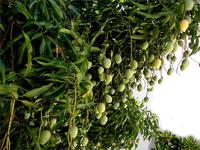
In TCM the mature (ripe) fruit treats ringworm, green fruits treat high blood pressure, and are used as an aphrodisiac. The fruit can be directly applied topically to skin sores. The leaves are used as a heart tonic, and to treat stomachache.*
|

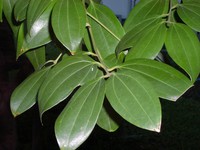
In TCM Cinnamon uses include appetite stimulation, treatment of arthritis, inflammation, and dyspepsia. In traditional Chinese medicine, cinnamon is used with other herbs in decoctions for cold.*
|

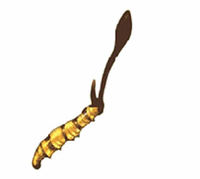
In TCM Cordyceps Sinensis uses are Bronchitis, Chronic obstructive pulmonary disorders, Cough, Fatigue, Hepatitis, High cholesterol, Immunostimulation, Sexual dysfunction, Strength and stamina.*
|

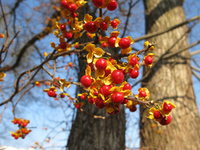
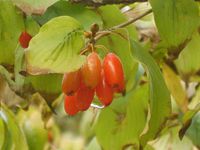
In TCM* Cornus Fructus or Shan Zhu Yu is used principally to reduce heavy menstrual bleeding and unusually active secretions including copious sweating, excessive urine, spermatorrhea and premature ejaculation.*
|

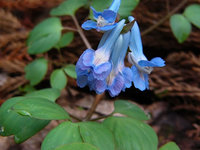
Analgesic; Antiseptic; Antispasmodic; Antitussive; Cancer; Cardiotonic; Hypotensive; Sedative. Yan Hu Suo is an important Chinese remedy that has been used for hundreds of years to help 'invigorate the blood' and relieve almost any painful condition.*
|

In TCM Crataegus Pinnatifida fruits are used in the treatment of dyspepsia, stagnation of fatty foods, abdominal fullness, retention of lochia, amenorrhoea, postpartum abdominal pain, hypertension and coronary heart disease.*
|

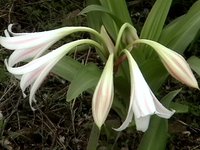
Crinum Latifolium may support both Prostate and Ovary Health.*
|

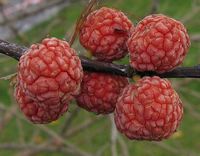
In TCM Cudrania Tricuspidata is used in the reatment of malaria, debility and menorrhagia. The plant is used to eliminate blood stasis and stimulate the circulation in cancer of the alimentary system, blood and lungs.*
|

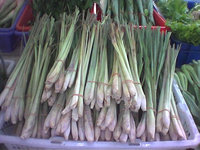
In TCM Lemon Grass uses include headache, stomachache, diarrhea; rheumatism, contusion, irregular menses, postpartum edema, Chronic back pain and rheumatism, Headache due to cold, Contusion and hematoma.*
|

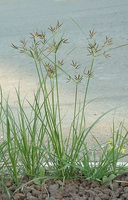
In TCM Nut Grass is used internally in the treatment of digestive problems and menstrual complaints. An essential oil in the tubers has antibiotic activity and has been shown to arrest the growth of Micrococcus pyrogenes.*
|

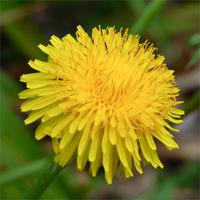
In TCM Dandelion is used for gall bladder and urinary disorders, gallstones, jaundice, cirrhosis, dyspepsia with constipation, edema associated with high blood pressure and heart weakness, chronic joint and skin complaints, gout, eczema and acne.*
|

In TCM Desmodium Styracifolium is used in the treatment of gonorrhea. A decoction of the plant is used in the treatment of gallstones, urinary tract stones and hepatitis.*
|

In TCM Chinese Yam or Dioscorea Batatas is used internally in the treatment of tiredness, weight loss, poor appetite, poor digestion, chronic diarrhea, asthma, dry coughs, frequent or uncontrollable urination, diabetes and emotional instability.*
|

Used in Indian Ayurvedic and TCM, Eclipta Prostrata or Han Lian Cao is used internally in the treatment of dropsy and liver complaints, anemia, diphtheria, tinnitus, tooth loss and premature greying of the hair.*
|

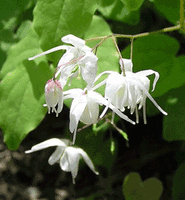
Epimedium Sagittatum Yin Yang Huo (Horny Goat Weed) is taken internally in the treatment of asthma, bronchitis, cold or numb extremities, arthritis, lumbago, impotence, involuntary and premature ejaculation, high blood pressure and absentmindedness.*
|

In TCM Eucommia Ulmoidie is used in the treatment of impotence, frequent urination, lumbago, weakness of the lower part of the body, aching back and knees, hypertension and threatened abortion.*
|

In TCM Euodia Ruticarpa (Evodia Fructus) is used in the treatment of gastritis, nausea, headaches, edema, beriberi and post-partum pains.*
|

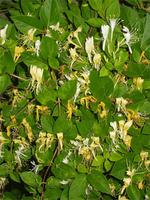
Flos Lonicerae Japonicae - Lonicera Flower - The stems are used internally in the treatment of acute rheumatoid arthritis, mumps and hepatitis. Syphilitic skin diseases and tumors, bacterial dysentery, colds, enteritis, pain, swelling.*
|

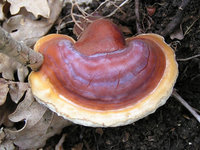
In TCM Reishi Mushroom is used for Fatigue, High cholesterol, HIV and AIDS, Hypertension, Immunostimulation, Inflammation, Strength and stamina, Viral infections.*
|

Gastrodia Elata Tien Ma is used internally in the treatment of convulsive illnesses (such as epilepsy and tetanus), rheumatoid arthritis, vertigo and numbness associated with liver disharmony.*
|

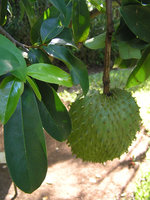
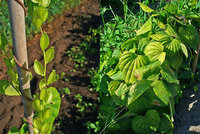
The bark, leaves, root, and fruits have been used as traditional remedies in many countries. Extracts of graviola have been shown to have antiviral, antiparasitic, antirheumatic, astringent, emetic, antileishmanial and cytotoxic effects.*
|

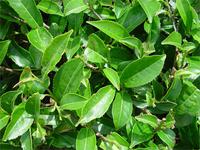
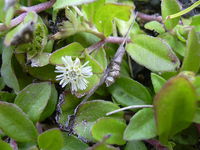
Green Tea Extract - Modern research has shown that there are many health benefits to drinking tea, including its ability to protect the drinker from certain heart diseases.*
|

In TCM Hedyotidis Diffusa is taken internally in the treatment of fevers, coughs, asthma, jaundice, impure blood, urinary tract infections, acute appendicitis, biliousness and cancers of the digestive tract.*
|

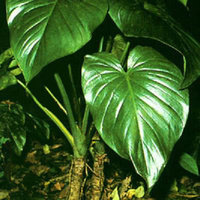
In TCM Homalomena is used for muscle pain, numbness, tightness of tendons, joint pain, muscle spasms, stomach ache, rheumatic arthralgia, cold pain in the loins and knees, muscular contracture, numbness of the legs, carbuncle and boils.*
|

In Chinese medicine Jujube is prescribed as a tonic to strengthen liver function.*
|

Lobelia Radicans, Chinensis - A decoction is used in the treatment of sores and abscesses, poisonous snakebites, tooth abscesses, ascites and traumatic injuries.*
|

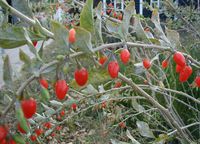
Lycium fruit contains polysaccharides which have been demonstrated to strongly fortify the immune system. Lycium is also very rich in vitamin C and B vitamins. Furthermore, it is the richest source of carotenoids, including beta carotene.*
|

In TCM the main effect of this herb is to constrict blood vessels in the nasal passages and so it is taken internally in the treatment of sinusitis, allergic rhinitis and colds with a runny nose or catarrh.*
|

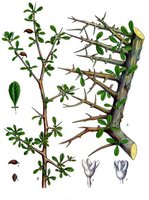
In TCM, Mastic or Boswellia Carterii is used internally in the treatment of diarrhea in children and externally it is applied to boils, ulcers, ringworm and muscular stiffness. Mastic resin is also chewed as a gum to soothe the stomach.*
|

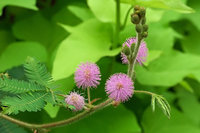
Mimosa Pudica an astringent, cooling, antiseptic, anthelmintic, alterative and a blood purifier. Useful in cases of piles, fistula, bile and fevers. Useful in Following diseases: Blood Impurities, Piles, Biliousness, Fevers.*
|

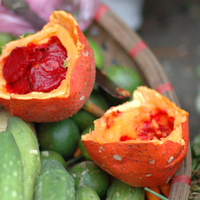
In TCM Gac fruit is used for medicinal and nutritional properties. In Vietnam, the seed membranes are used to aid relief of dry eyes, and to promote healthy vision. Recent research suggests that gac may inhibit the proliferation of cancer cells.*
|

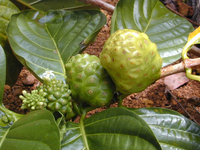
In TCM, various parts of the tree (leaves, flowers, fruits, bark, roots) serve as tonics and to contain fever, to treat eye and skin problems, gum and throat problems as well as constipation, stomach pain, or respiratory difficulties.*
|

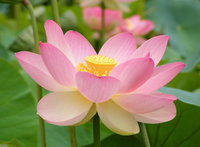
In TCM Nelumbo Nucifera is used in treating bleeding gastric ulcers, excessive menstruation, post-partum hemorrhage. The stamens are used in treating urinary frequency, premature ejaculation, hemolysis, epistasis and uterine bleeding.*
|

In TCM Ophiopogonis Tuber is used internally in the treatment of dry coughs, fevers, thirst, dry constipation, insomnia, anxiety and palpitations and is also frequently used in polyherbal treatments of diabetes mellitus.*
|

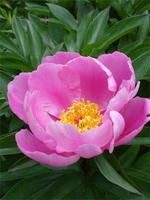
In TCM Chinese Peony is used internally in the treatment of menstrual disorders, injuries, high blood pressure, pre-menstrual tension and liver disorders.*
|

In TCM Panax Pseudoginseng Notoginseng San Qi or Tian Qi is used in the treatment of coronary heart disease and angina pectoris. The roots can be applied externally as a poultice in order to help speed the healing of wounds and bruises.*
|

In TCM Patrinia Villosa is used in the treatment of carbuncles, acute appendicitis, intestinal abscess, postpartum pain, dysmenorrhea and endometriosis.*
|

In TCM Phellodendron Bark is taken internally in the treatment of acute diarrhea, dysentery, jaundice, vaginal infections including Trichomonas, acute urinary tract infections, enteritis, boils, abscesses, night sweats and skin diseases.*
|

Phyllanthus has a wide number of traditional uses: employing the whole plant for jaundice, gonorrhea, frequent menstruation, and diabetes and using it topically as a poultice for skin ulcers, sores, swelling, and itchiness.*
|

In TCM Poria Mushroom is used to improve body weight, improve appetite, lessen or prevent side effects of chemo therapy, protect bone marrow, improve liver and kidney functions, improve radiation therapy on nose and throat cancers.*
|

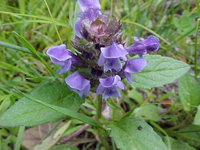
In TCM Self heal has a long history of folk use, especially in the treatment of wounds, ulcers and sores. Prunella was also taken internally as a tea in the treatment of fevers, diarrhea, sore mouth and internal bleeding.*
|

In TCM a concoction of the flowers and tubers of Pueraria is used to treat alcoholism, fever, colds, diarrhea, dysentery, acute intestinal obstruction.*
|

In TCM Hook extract is used for treatment of infantile convulsions, headaches, dizziness, hypertension and apoplexy. *
|

In TCM the prepared root of Chinese Foxglove is used to treat dizziness and palpitations due to anaemia or blood deficiency, chronic tidal fever, night sweats, dry mouth, lumbago and nocturnal emissions.*
|

In traditional Chinese medicine, Dan Shen has been used to prevent and treat heart conditions and strokes. Its use improves the micro-circulation, increases blood flow to the coronary artery, improves myocardial contraction and adjusts the heart rate.*
|

Sarcandra is used in TCM for the treatment of bruises, bone fractures, arthritis, nausea, internal pain, and cough (1). Purported uses: Bruises, Bone fractures, Arthritis, Nausea, Internal pain, Cough, Bleeding disorders, Cancer treatment.*
|

Schisandra is used in traditional Chinese medicine for cough, wheezing, diarrhea and spontaneous sweating. Purported uses: Asthma, Cough, Diarrhea, Indigestion, Influenza, Liver disease, Premenstrual syndrome, Strength and stamina, Sweating.*
|

In TCM Scutellaria root is used internally in the treatment of enteritis, dysentery, diarrhea, jaundice, chronic hepatitis, urinary tract infections, hypertension, threatened miscarriage, nosebleed and hemorrhage from the lungs or bowe.*
|

In TCM Smilax Glabra has been used in the treatment of cancer, mercury poisoning, acute bacterial dysentery, rheumatoid arthritis and syphilis.*
|

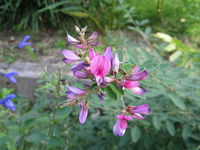
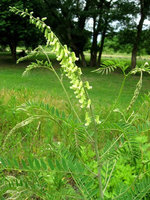
In TCM Sophora is used internally in the treatment of jaundice, dysentery, diarrhea and urinary infection, used internally and externally in the treatment of vaginitis, eczema, pruritis, ringworm, leprosy, syphilis, scabies, itching allergic reactions.*
|

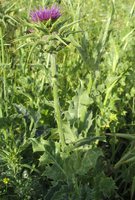
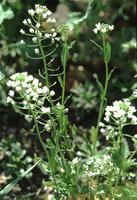
In TCM Thlaspi Arvense is used in the treatment of carbuncles, acute appendicitis, intestinal abscess, post-partum pain, dysmenorrhoea and endometriosis.*
|

In TCM Wild Yam is taken internally in the treatment of arthritis, irritable bowel syndrome, gastritis, gall bladder complaints and painful menstruation.*
|
|
|