
 Get Well Natural, LLC
  Kidney Function & Regeneration Health
  Platelet & Blood Cell Health
  Prostate, Flow & Function Health
  General Mind & Body Health
  Heart, Cholesterol & Cardio Health
  Allergy-Free Body
  Anxiety & Stress
  Blood Platelet Counts & Function
  Blood Pressure Health
  Kidney Health
  Immune System Health & Balance
  Prostate & Urinary Health Function
  Blood Sugar Balance
  Cardiovascular Heart Health
  Detoxification & Healthy Cells
  Women's Health
  Liver Regeneration
  Pain-Free Body
  Water & Air Filtration


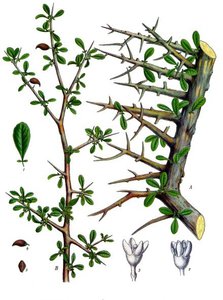
Chinese Pinyin: Mo Yao Latin: Commiphora Myrrha
Part of Herb Used: Gum Resin
Genus:
Traditional Chinese Medicinal (TCM) Uses:*
In traditional Chinese medicine, myrrh is classified as bitter and spicy, with a neutral temperature. It is said to have special efficacy on the heart, liver, and spleen meridians, as well as "blood-moving" powers to purge stagnant blood from the uterus. It is therefore recommended for rheumatic, arthritic, and circulatory problems, and for amenorrhea, dysmenorrhea, menopause, and uterine tumors.
Its uses are similar to those of frankincense, with which it is often combined in decoctions, liniments, and incense. When used in concert, myrrh is "blood-moving" while frankincense moves the Qi, making it more useful for arthritic conditions.
It is combined with such herbs as notoginseng, safflower petals, Angelica sinensis, cinnamon, and Salvia miltiorrhiza, usually in alcohol, and used both internally and externally.[7]1.*
References:
- Source: http://en.wikipedia.org/wiki/Myrrh#Traditional_Chinese_medicine
Natural dietary supplements are designed to offer the body support to promote health, harmony, balance and overall well being.*