
 Get Well Natural, LLC
  Kidney Function & Regeneration Health
  Platelet & Blood Cell Health
  Prostate, Flow & Function Health
  General Mind & Body Health
  Heart, Cholesterol & Cardio Health
  Allergy-Free Body
  Anxiety & Stress
  Blood Platelet Counts & Function
  Blood Pressure Health
  Kidney Health
  Immune System Health & Balance
  Prostate & Urinary Health Function
  Blood Sugar Balance
  Cardiovascular Heart Health
  Detoxification & Healthy Cells
  Women's Health
  Liver Regeneration
  Pain-Free Body
  Water & Air Filtration


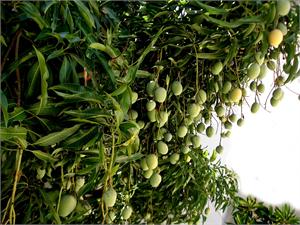
Chinese Pinyin: Mang Guo Latin: Mangifera Indica
Part of Herb Used: Leaf
Family:
Traditional Chinese Medicinal (TCM) Uses:*
Mangiferin (a pharmacologically active flavonoid, a natural xanthone C-glycoside) is extracted from Mango at high concentrations from the young leaves (172 g/kg), bark (107 g/kg), and from old leaves (94 g/kg).[5] Mangiferin shows an exceptionally strong antioxidant[6] capacity. It has a number of pharmacological actions and possible health benefits. These include antidiabetic[7], antioxidant, antifungal,[8] antimicrobal, antiinflamatory, antiviral, hepatoprotective[9] [10], hypoglycemic, anti-allergic[11] and anticancer activity.[12],[13]. Along with Salacia it is being investigated for its possible anti-obesity action.[14]
In ayurveda, one of its uses is clearing digestion and acidity due to pitta (heat), sometimes with other mild sours and shatavari (Asparagus racemosus) and guduchi (Tinospora cordifolia).1*
References:
- Source: http://en.wikipedia.org/wiki/Mangifera_indica#Medicinal_properties
Natural dietary supplements are designed to offer the body support to promote health, harmony, balance and overall well being.*